

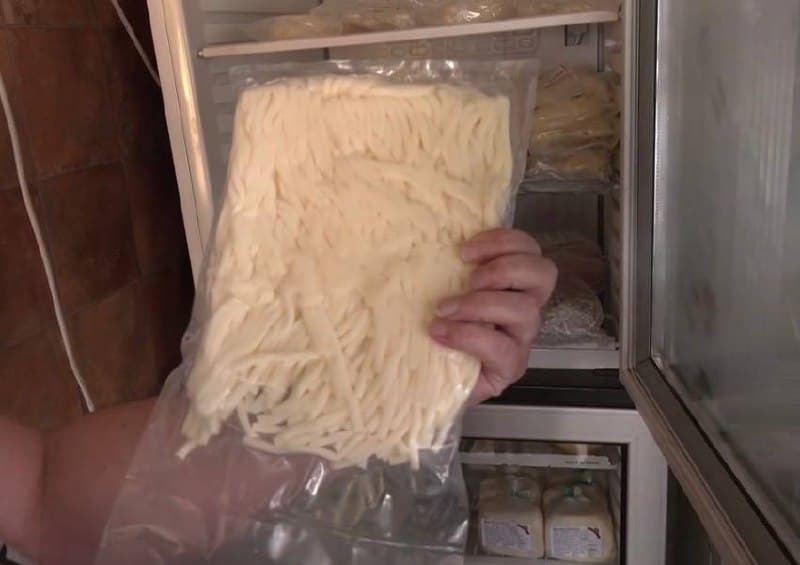
For almost a month, doctors at the hospital in Žilina fought for the life of a 63-year-old woman who was admitted on June 13 with symptoms of severe poisoning. They could not save her. The cause of death was the bacterium Listeria monocytogenes, found in cheese strings that the woman bought from a street vendor.
This case is a reminder of the risks associated with buying food from unverified places. Let's look at what listeriosis is, who is at risk, and how to protect yourself.
What happened?
On June 13, in the village of Lutiše (Žilina Region), a 63-year-old woman bought cheese strings from a vendor selling directly from the trunk of a car near the local church. After eating the product, her condition worsened sharply, and she was hospitalized.
Laboratory tests confirmed the presence of the bacterium Listeria monocytogenes in her body. "Despite the huge efforts of our medical staff, due to the patient's overall health condition and the harmful effect of the bacterium, we were unfortunately unable to save her," said hospital press spokesperson Zuzana Fialová.
The State Veterinary and Food Administration (Štátna veterinárna a potravinová správa) has started an investigation. Inspectors found that the seller did not have the necessary permits, and the products were stored in violation of sanitary standards – in plastic boxes and portable refrigerators in the car. The dangerous cheese was ordered to be immediately removed from sale.
Dangerous bacterium: What is listeriosis?
Listeriosis is an infectious disease caused by the bacterium Listeria monocytogenes. It is common in nature and can be found in soil, water, and some animals. The main danger is that this bacterium can survive and multiply even at low temperatures (from 0 to 4°C), meaning in a regular refrigerator.
Infection most often occurs through the consumption of contaminated food:
Unpasteurized milk and dairy products (soft cheeses, feta cheese).
Undercooked meat and fish.
Raw vegetables and fruits that are not washed well.
Ready-to-eat products, such as salads or pâtés.
Symptoms can appear a few days to a few weeks after eating contaminated food. They often resemble the flu: fever, muscle pain, nausea, diarrhea. If the infection spreads to the nervous system, severe headache, stiff neck, confusion, and seizures may occur.
Who is at risk and how to protect yourself?
For most healthy people, listeriosis is a mild illness. However, for some groups of people, it can be deadly. The highest risk groups include:
Pregnant women: the infection can lead to miscarriage, premature birth, or infection of the newborn.
Newborn babies.
People aged 65 and over.
People with weakened immune systems (e.g., those with cancer, diabetes, HIV, or those taking immunosuppressive drugs).
To minimize the risk of infection, the Public Health Authority of Slovakia recommends following simple safety rules:
Avoid unpasteurized products. Always check the label on milk and cheeses.
Cook food thoroughly. Cook meat, poultry, and fish to a sufficient temperature.
Wash hands and surfaces. Keep your kitchen clean, especially after contact with raw food.
Buy from verified places. Avoid informal markets and vendors who cannot confirm the origin of the goods and do not follow storage conditions (especially temperature control).
Even when buying products through so-called "farm gate sales" (predaj z dvora), make sure the seller has the proper registration and follows basic hygiene standards. Your health is your responsibility.