
The Slovak Ministry of the Interior has updated its recommendations: it now advises keeping a 14-day supply of essentials at home, rather than a 10-day supply. This is in response to new guidance from the European Commission and an increase in potential threats.
This applies not only to a hypothetical military conflict but also to very real crises: prolonged power outages, disruptions in water and gas supply, natural disasters, or logistical failures. Here’s what experts recommend keeping at home and how to prepare for potential emergencies.
Why were the recommendations updated?
The reason isn’t just rising geopolitical tensions. Climate change is causing an increasing number of extreme weather events, making the world less predictable. Therefore, the Slovak government, following the lead of other EU countries, has decided to step up its civil protection awareness campaign.
To this end, the Ministry of the Interior has published an updated brochure titled “What to Do in the Event of a Crisis or Armed Conflict.” This is not a document for experts, but a simple and easy-to-understand guide for every family. It contains advice on how to meet basic needs when everyday services and communications are unavailable.
A 14-day emergency supply: what should it include?
The main idea is that every family should be able to survive for two weeks without outside help. Here is a minimum list of what is recommended to prepare:
Water. This is the most important resource. Allow at least 4 liters per person per day: 2 liters for drinking and another 2 liters for cooking and basic hygiene.
Food. Choose non-perishable foods that don’t require complicated preparation.
Grains, pasta, and legumes.
Canned meat, fish, and vegetables.
Powdered milk, egg powder, freeze-dried soups.
Cookies, crackers, energy bars, nuts, and dried fruit.
Salt, sugar, honey, oil.
Medications and hygiene supplies. Put together a first-aid kit with everything you need: pain relievers, fever reducers, wound care supplies, and bandages. Be sure to include a supply of any prescription medications you take. Don’t forget personal hygiene items.
Light, heat, and communication. In case of a power outage, prepare:
Flashlights (preferably LED) and a large supply of batteries for them.
Fully charged power banks.
Candles, matches, and lighters.
A battery-powered radio to listen to official announcements.
Other items. It’s also a good idea to have a small supply of cash and keep all important documents in a single waterproof bag that’s easily accessible. If you live in a private home, consider alternative heating sources (such as a wood-burning stove). For an apartment, a camping gas stove may come in handy.
Emergency Kit: What to Pack in Case of Evacuation?
Your home supplies are intended for situations where you remain at home. However, there may be a situation where you have to leave your home immediately. For this reason, every family should have an “evacuation kit” (evakuačná batožina) ready. Its contents should ensure you can survive independently for 72 hours.
You should pack the following in your bag:
Documents and money.
A first-aid kit.
A supply of drinking water and high-calorie, non-perishable food.
A change of clothes, underwear, and sturdy, comfortable shoes.
Toiletries.
A flashlight, cell phone, and power bank.
If needed—a sleeping bag and a sleeping pad.
Where can you find official information?
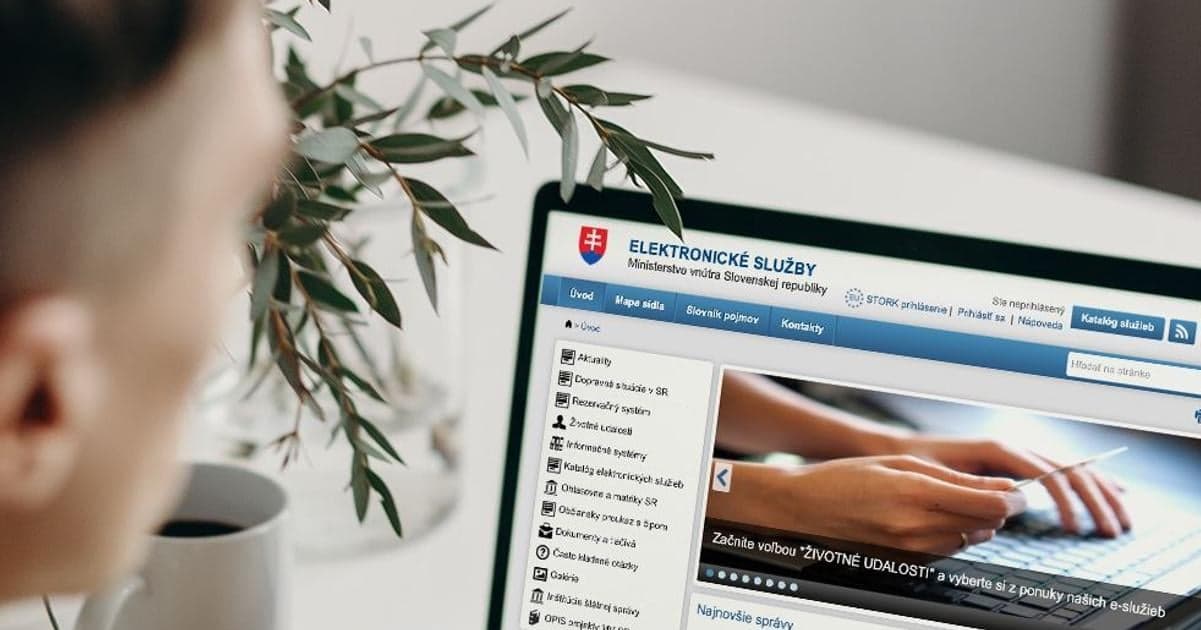
The Ministry of Internal Affairs emphasizes: you should trust only official sources. The latest news and instructions are published on government websites. You can view the full version of the brochure online in PDF format.
Also, save Slovakia’s important emergency phone numbers and stay tuned for alerts from local authorities. Preparing for emergencies isn’t about panic—it’s about taking responsibility for your family’s safety.