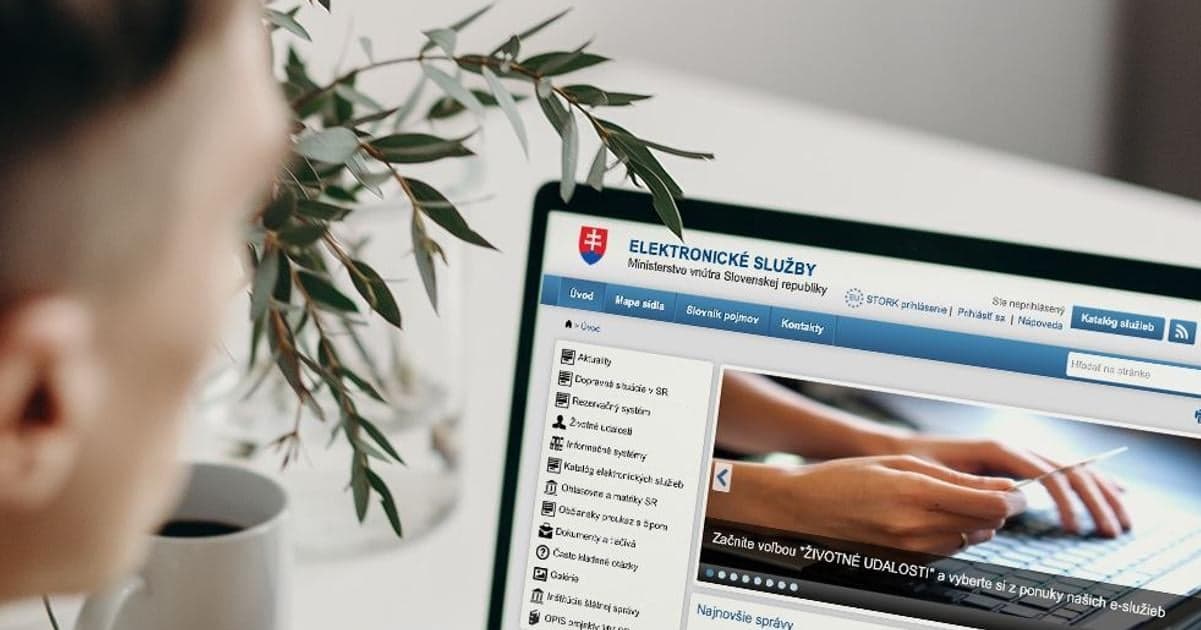

Does this sound familiar: a call from an official number pops up on your smartphone screen, or you receive a stern government document that makes your heart skip a beat? It is precisely this psychological shock that scammers—who have recently become more active in the country—are counting on. Scammers have become experts at masquerading as government agencies, and now anyone trying to navigate local bureaucracy or simply waiting for an important call is at risk.
How the new scheme of impersonating government agencies works
Criminals use specialized software to spoof phone numbers. Residents of Slovakia are increasingly receiving calls from random numbers or messages via messaging apps, particularly Telegram, where the profile picture features the Slovak coat of arms or the actual contact information of the International Organization for Migration.
During the conversation, “police officers” or representatives of other agencies confidently claim there are fictitious debts, bogus powers of attorney, problematic investments, or court cases. The goal is always the same—to pressure the victim into revealing confidential information or transferring funds to a “secure account.”
Fake letters from the National Security Authority
In addition to phone calls, scammers are sending out large numbers of fake emails. These messages often feature the logos of the National Security Directorate or the Slovak Police.
The emails usually have a stern tone, threaten severe punishment, and demand that you reply or click on a link within 24 hours.
Key signs of a fake email to look out for:
grammatical errors, unnatural sentence structures, or clumsy translations into Slovak;
the sender’s actual email address differs from the official domains of government agencies (which usually end in .sk);
requests to provide personal information, payment card details, or to install third-party software for “remote access.”
What to Do If You Receive a Call from Suspicious Individuals
If you receive such a call or email, cybersecurity experts and law enforcement officials advise following a clear procedure:
End the conversation immediately. Do not try to prove anything to the scammers, and do not engage in a discussion—the longer you stay on the line, the more psychological pressure they exert.
Never disclose your personal information. Government officials never ask for PIN codes, online banking passwords, card numbers, or your full date of birth over the phone.
Contact the agency yourself. Find the agency’s official website using a search engine, dial a verified phone number, and confirm whether they actually have any questions for you.