
A recent discussion on social media, started by an anonymous foreigner (cizinec), raised again the question that worries many newcomers: how do Slovaks (Slováci) really feel about foreigners? The author of the post complained about unfriendliness and even racism he faced in Prešov, and asked if Bratislava is more open.
Replies in the comments were divided: from stories saying "Slovakia is the worst country I have lived in" to quite positive feedback. This debate well illustrates the experience of many expats, including Ukrainians, whose perception of the country often depends on the city, social circle, and willingness to adapt.
What foreigners (cizinci) say: from "worst country" to gratitude
In the same discussion, some commenters supported the author by sharing their negative experiences. One user said that after two years living in Slovakia (Slovensko), where he faced racism and bullying, he decided to leave because "mental health and safety are more important." Prešov was named one of the most problematic cities in this regard.
But there were also those who defended Slovaks (Slováci). "I have lived in Slovakia for two years and consider Slovaks very kind and warm-hearted. I have never felt discrimination," wrote one expat. Many agreed that the situation changes drastically when a foreigner (cizinec) tries to speak Slovak. Even a few learned phrases earn respect and willingness to help from locals.
Unfriendliness or a cultural trait?
Some commenters explain Slovaks' (Slováci) reserve not by xenophobia but by cultural features. Unlike, for example, Americans, in Slovakia it is not customary to smile at strangers on the street.
"Here it is not considered polite to smile at everyone. It is not that they hate you or your origin. They just don’t know you, so they don’t smile," explains one experienced foreigner (cizinec). What may seem like hostility to you is often just a local norm of behavior.
Beyond social media: what research says
Personal experience is one thing, but official reports paint a more complex picture. According to the latest report of the European Commission against Racism and Intolerance (ECRI) from June 2026, Slovakia indeed has problems. In particular, the report points to the spread of hate speech in public spaces, especially online, often targeting migrants, Roma, and the LGBTQ community.
At the same time, studies point to other, more systemic barriers to integration:
Bureaucracy. Complex administrative procedures for obtaining residence and work permits.
Language barrier. Limited access to quality and affordable language courses.
Housing and services. Difficulties accessing rental housing, medical, and social services.
Interestingly, integration of foreigners (cizinci) in Slovakia is mostly handled by NGOs through short-term projects rather than stable government services.
And what about Ukrainians?
The attitude towards Ukrainians in Slovakia is a complex and ambiguous topic. On one hand, sociological surveys from past years showed that Slovaks were among the least favorable towards Ukrainians in the EU, and a significant part of the population is influenced by pro-Russian propaganda.
On the other hand, Slovak civil society itself has shown strong support. For example, within the initiative "Warmth for Ukraine," ordinary citizens raised over one million euros for generators for Ukrainian cities. This shows how the position of many ordinary people can differ from political rhetoric.
What to do and how to adapt
Your experience living in Slovakia can be very different. To make it more positive, use the advice of those who have already gone through this path:
Learn the language. This is truly a universal key to communicating with Slovaks (Slováci). Even basic knowledge shows your respect for local culture and greatly simplifies communication. More useful materials on this topic can be found in our blog.
Be patient. Adapting to a new culture takes time. Don’t rush to interpret reserve as hostility.
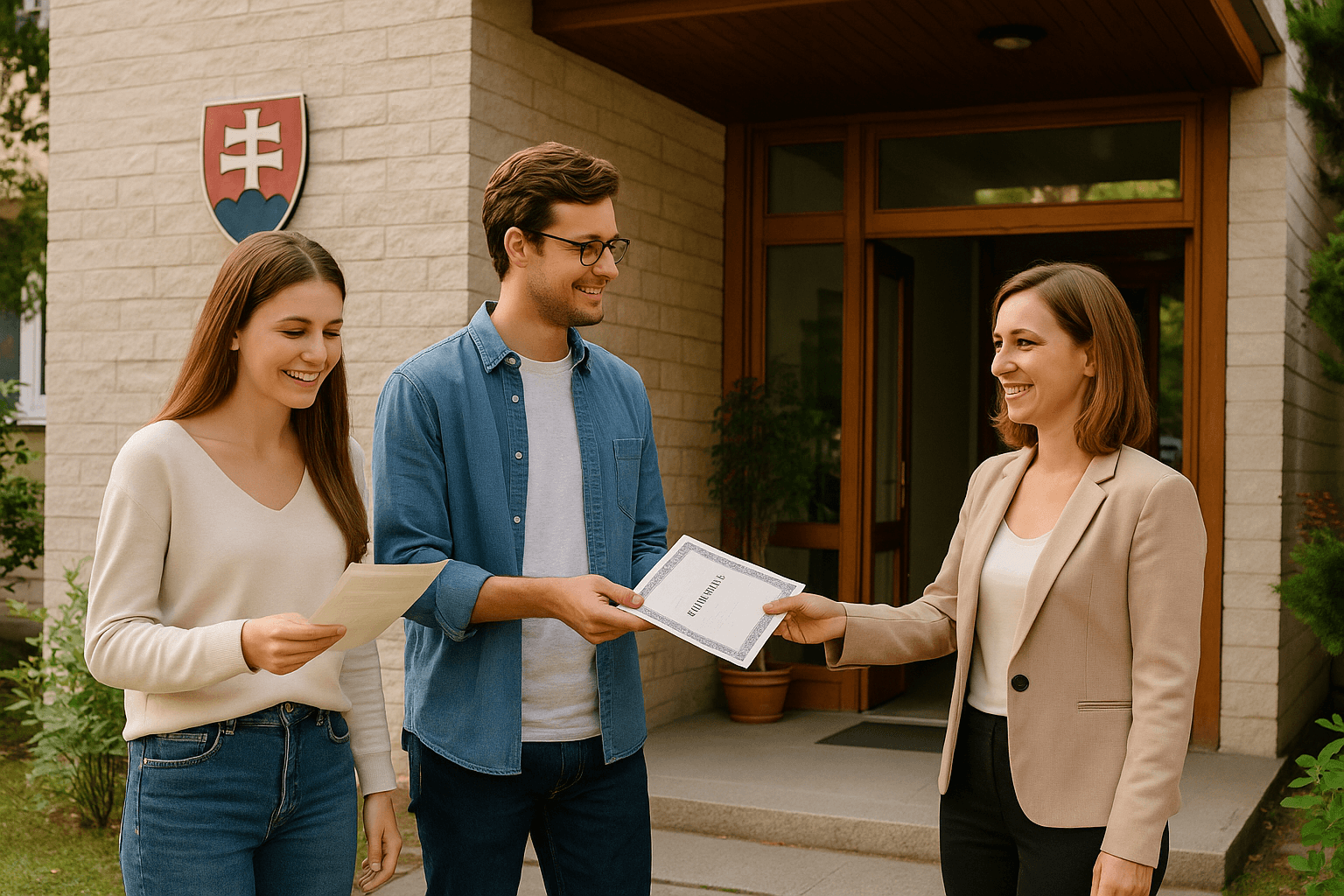
Know your rights. The Slovak government is gradually simplifying rules for foreigners (cizinci). For example, since July 2026, changes were made to the Act on Residence of Foreigners, which extended the validity of national visas and simplified some procedures.
Ultimately, your experience in Slovakia will be unique. Much depends on your own openness, willingness to learn the language, and understanding of local customs.