
How do the new scam schemes work?
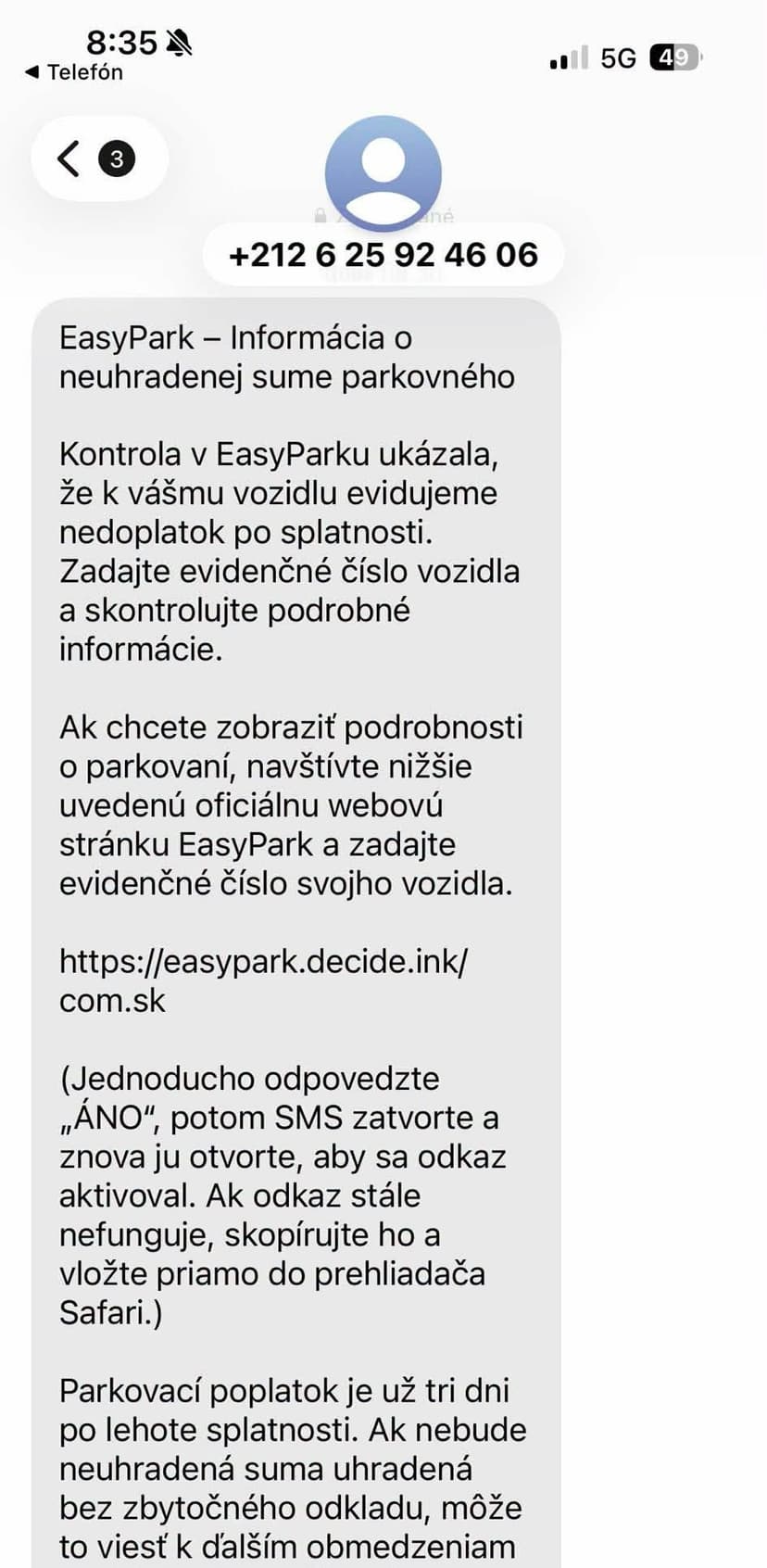
Fake messages from EasyPark (parking service) about unpaid parking. You may receive an SMS supposedly from the EasyPark service with information about a parking debt and a threat of a fine. The message will offer you to follow a link to “check the information” and enter your car number. Even the Slovak police admit that such messages look very credible. However, the EasyPark service itself reminds: they never ask for card details, passwords, or BankID via SMS or email and do not send active payment links. If you have doubts about parking payment, check the status only in the official EasyPark app or on the company’s website.
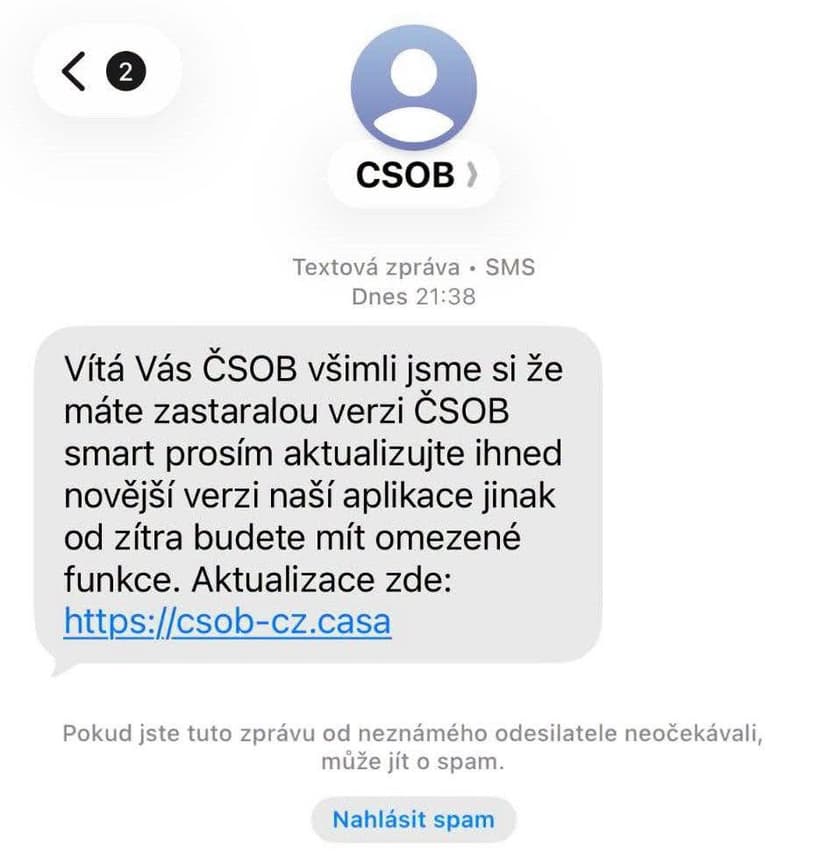
Fraudulent SMS in the name of ČSOB bank (bank). At the same time as the first scheme, ČSOB bank warns about scam SMS spreading in Slovakia and the Czech Republic. The message asks you to urgently update the ČSOB Smart app. The link in such SMS leads to a fake page where you will be offered to install malicious software. Bank representatives ask you never to follow such links or download anything from such messages.
How to recognize scammers and protect yourself?
Scammers play on your emotions: trust, fear, or hurry. But their schemes have weak points. Here is what to look for to recognize fraud:
Suspicious numbers. Messages about unpaid parking often come from foreign numbers, for example, with the code +212 (Morocco) or +39 (Italy). EasyPark itself confirms that their official SMS never come from unknown or personal numbers.
Active links in SMS. Real services like EasyPark do not send payment links in text messages. Any request to follow a link for “checking” or “payment” is almost always a scam.
Requesting personal data. Neither EasyPark nor ČSOB bank will ever ask you for bank card details, passwords, PIN codes, or SMS codes. Especially, they will not ask you to transfer money “for security.”
Pressure and urgency. Scammers always rush you, creating an illusion of urgency so you don’t have time to think and make a rash decision.
Downloading apps. Never download apps or files from links in suspicious SMS or emails.
What to do if you receive a suspicious message?
Do not follow links. This is the main rule. Just ignore them.
Do not reply to SMS. No reaction at all.
Block the number. Immediately add the sender’s number to the blacklist.
Check information through official channels. Doubt about parking? Open the EasyPark app or visit their website. Questions about the bank? Call the official hotline.
Report to authorities. If you have been affected by scammers, don’t waste time: contact the nearest police station or call 158.
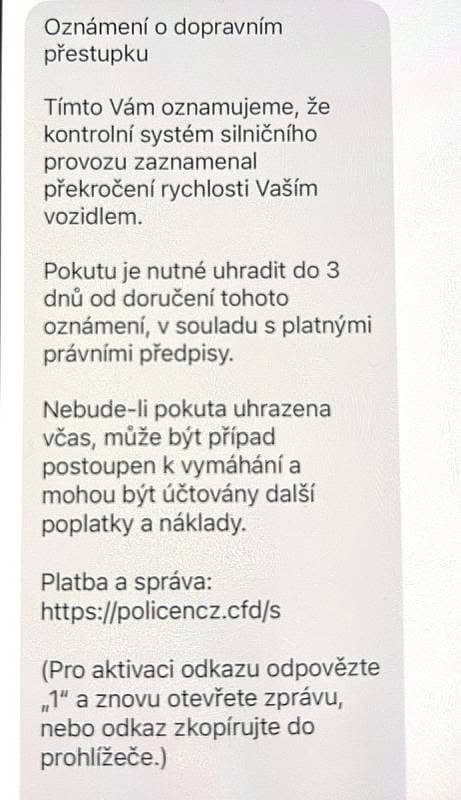
And finally: the police never send fines via SMS. All official notifications come only by regular mail. Be careful and cautious with your data.