
Instead of complex hacker attacks, criminals now only need a few clicks on the official state website: the new company registry portal opened access to details such as full addresses, personal identification numbers (rodné číslo - personal ID number), and even samples of entrepreneurs' signatures. Users experimented, entrepreneurs received alarming calls — the line between business transparency and personal data security in the country is rapidly disappearing.
How the New State Portal Simplified Work for Scammers
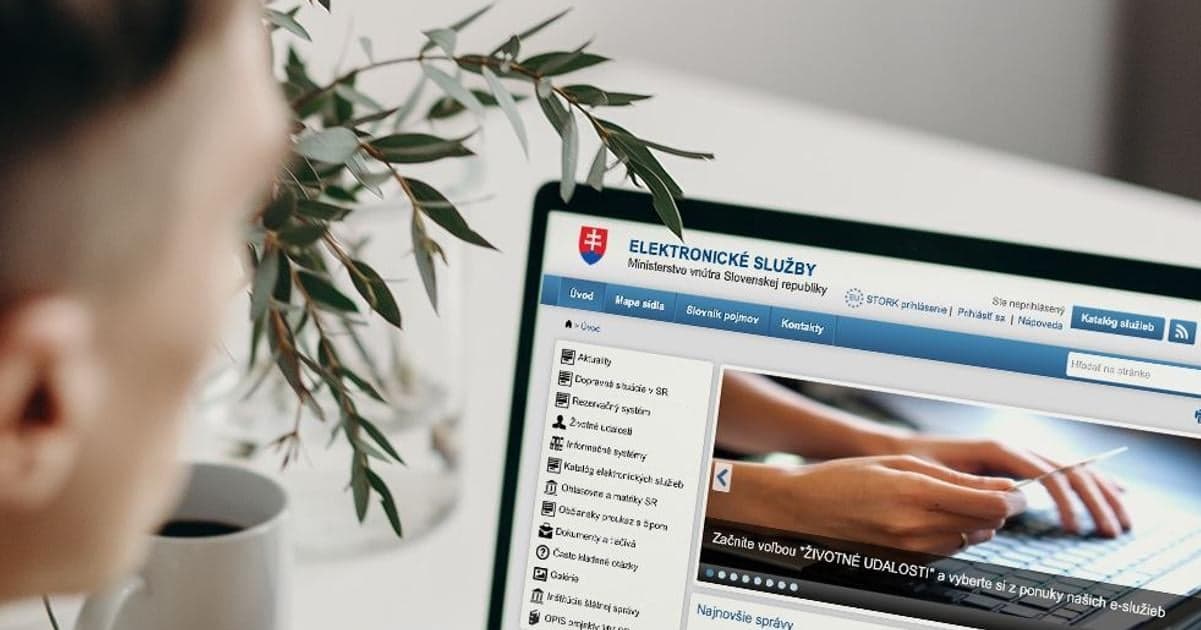
Since August 17, 2026, Slovakia has implemented an updated law on the obchodný register (trade register), developed by the Ministry of Justice of the Slovak Republic. The declared goal was to speed up and simplify electronic procedures for business. However, in practice, something unexpected happened: along with basic company data, the system allowed anyone to download initial documents from the collection of annual reports and agreements without any electronic identification or entering a special security code through the state portal slovensko.sk.
One of the first to publicly point out the problem was former journalist and now entrepreneur Michal Goleš. He received a call from a fraudster who confidently named his full personal identification number (rodné číslo - personal ID number), including the digits after the slash, and also invented a story about an allegedly opened investment account several years ago with nearly 15,500 euros.
Criminals use these combinations not just for psychological pressure. Having the identification number, address, and signature sample, attackers can try to manipulate banking institutions or carry out a classic scheme of ordering a duplicate SIM card from a mobile operator to fully intercept access to online banking via SMS confirmation.
The Ministry's Position vs. the Supervisory Authority's Reaction
Despite a wave of outrage among the business community and opposition politicians, Minister of Justice Boris Susko rejected the accusations and stated that the situation is not critical. According to him, the documents and information were formally stored in archives before, and the new portal only unified the rules according to European transparency standards.
A completely different assessment was given by the relevant institution. The Office for Personal Data Protection (Úrad na ochranu osobných údajov SR - Office for Personal Data Protection of the Slovak Republic) officially announced the start of a control proceeding against the Ministry of Justice. The authority emphasized that current legislation explicitly prohibits publishing such sensitive identifiers as rodné číslo (personal ID number), and the state body was obliged to ensure their full anonymization before publishing documents in open access.
What Entrepreneurs Should Do to Protect Themselves
While the relevant authorities clarify the legality of the platform's operation, Slovak business owners should exercise increased caution:
Ignore unknown calls from financial institutions. If the caller immediately reads your personal data or document numbers, this does not guarantee their legitimacy — all this information can now be freely viewed online.
Additionally protect your mobile connection. Contact your operator and set a special additional password or code word on your number to prevent remote cloning of your SIM card.
Monitor bank notifications. Immediately block any unauthorized attempts to access financial apps or requests to change details through your bank's support service.