

A few days ago, while swimming in the Danube River, a father and son made a unique discovery that changed the understanding of the ancient history of the region. Due to the river's shallowing, which created shallow waters and pebble beaches, the man noticed an unusual object among the stones. Pulling it out of the water, he found an ancient sword covered with bright green patina.
At first, the find was considered a Roman sword, since about two thousand years ago the Danube was the border of the Roman province of Pannonia. However, archaeologists, after careful analysis, established that the sword is much older. Its age is about 3500 years, which places it in the Bronze Age, about one and a half thousand years before the birth of Jesus Christ.
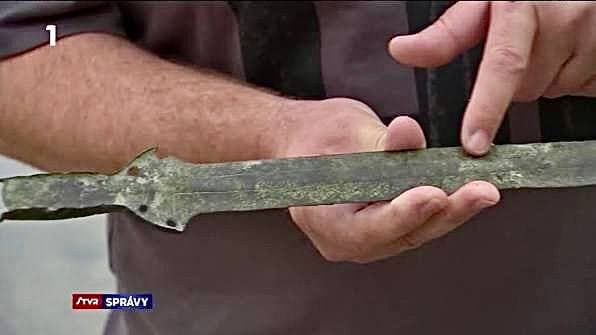
/https://tf-cmsv2-smithsonianmag-media.s3.amazonaws.com/filer_public/34/85/34858fb0-cf7e-419d-9b4d-2a63e21ee1b3/sword.jpg)
Historical value of the find
This sword is a real treasure for archaeologists because it is almost undamaged by time. At the time of its manufacture, there were no Celts yet in the territory of modern Slovakia, and very little is known about the peoples who lived here; they are called archaeological cultures.
The exact location of the sword's discovery is not disclosed, probably to prevent an influx of "black archaeologists" (illegal treasure hunters). Interestingly, Bronze Age swords are often found precisely in rivers. Scientists suggest that this may indicate the existence of certain rituals when valuable items, including weapons, were deliberately submerged in water as offerings to deities or for making agreements.
Ritual significance of swords in rivers
Finds of swords in rivers are not isolated. Archaeologists across Europe discover similar artifacts, indicating a widespread practice of ritual offerings in the Bronze Age. Water could have been perceived as a boundary between the earthly and divine worlds, and submerging valuable swords was a way to create a sacred connection or seek divine protection.
/https://tf-cmsv2-smithsonianmag-media.s3.amazonaws.com/filer_public/6e/f8/6ef8721c-28f3-4ac6-87ab-46453e5c9e5d/726432733_1421035483387101_1998691331476800782_n.jpg)
For example, in Germany, the discovery of Bronze Age swords in riverbeds also points to complex rituals and cultural practices. Some swords were deliberately bent or broken before being submerged in water, known as "ritual killing" of the object, making them unusable by the living and intended for the other world.
This find in the Danube adds new details to the understanding of ancient civilizations that inhabited the territory of Slovakia thousands of years ago and their beliefs.
Original news 3000-year-old sword found