

A new train schedule was set to take effect in December 2026. It called for the Tatran express trains to no longer stop in the cities of Púchov and Považská Bystrica. The Slovak Ministry of Transport (Ministerstvo dopravy SR) hoped this would reduce travel time between Bratislava and Košice by half an hour. To achieve this, they planned to operate trains at a maximum speed of 160 km/h on the modernized section of track. However, following significant pressure from the public and local governments, the ministry changed its plans.
Public Opposition and Its Consequences
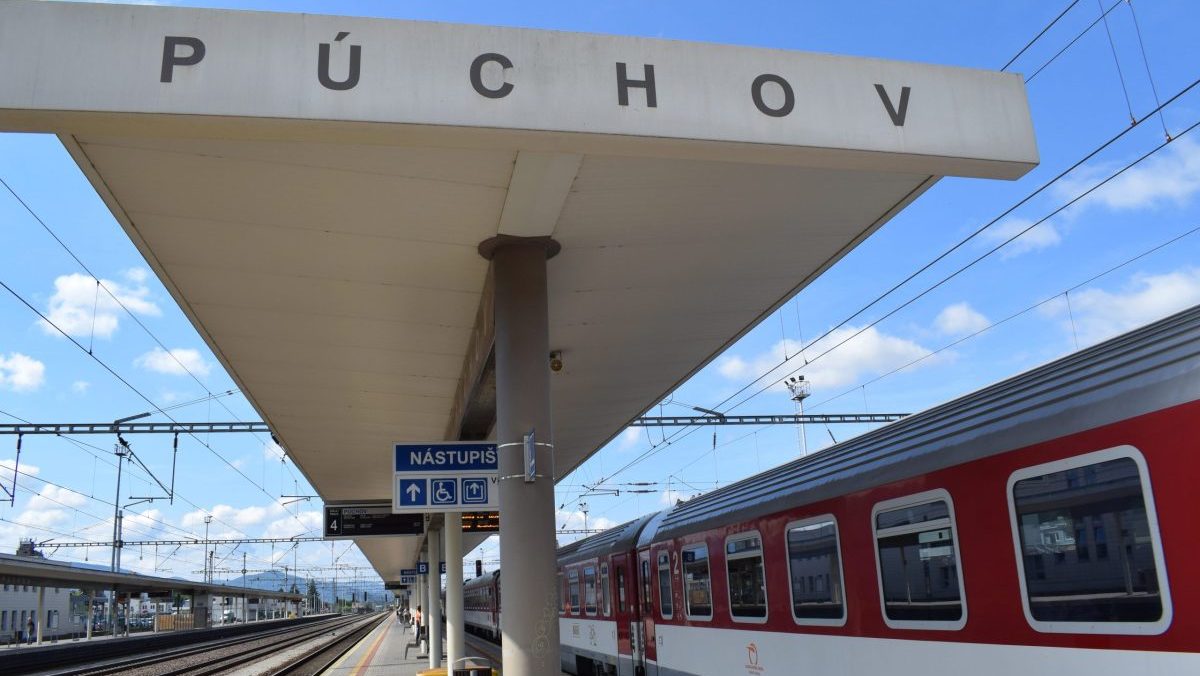
These changes sparked outrage among residents and local authorities. In Považská Bystrica, more than 5,000 people signed a petition to preserve the express train stops. A petition also emerged in Púchov, which quickly gathered hundreds of signatures. Local communities emphasized that Púchov is a major railway hub and the only point of access to intercity service for the entire region, including international routes to the Czech Republic. Eliminating these stops would force passengers to take slower regional trains or transfer in Žilina. This would significantly increase travel time and cause inconvenience, especially due to potential delays. It would also have a negative impact on tourism and the economy of the Považie region.
The Ministry’s Decision
Petra Poláčiková, a spokesperson for the Ministry of Transport, stated that the plan to eliminate express train stops in Púchov and Považská Bystrica will not be implemented “at this time.” The Ministry will continue to monitor passenger traffic and assess interest in express trains in these cities. Therefore, starting December 13, 2026, when the new train schedule takes effect, Tatran express trains will continue to stop in Púchov and Považská Bystrica.
This situation demonstrates how important public opinion and engagement are in shaping transportation policy, especially when it comes to the daily lives of thousands of people.