
In July 2026, 612 debtors went through the bankruptcy procedure in Slovakia. This is the highest monthly figure since October 2025, reports Startitup citing data from CRIF – Slovak Credit Bureau, which manages Slovak credit registries.
Behind this number is a very specific mechanism. Personal bankruptcy, or osobný bankrot (personal bankruptcy), is a legal way to get rid of debts in Slovakia. It applies to anyone living here who has loans, credits, or housing debts.
How the number of bankruptcies grew during the year
The year started calmly. In January 2026, 415 people went bankrupt — the annual minimum. Then the number only increased:
First quarter — 1503 debtors.
Second quarter — already 1743.
First half of the year overall — 3246 people went through the bankruptcy procedure.
The 612 cases in July show that the trend does not slow down in the second half of the year.
Who goes bankrupt most often
The largest group of debtors are men aged 30-39: in July there were 127 of them. Among women, those over 40 years old (59 cases) go bankrupt most often. Over 96% of all debtors have only basic or secondary education.
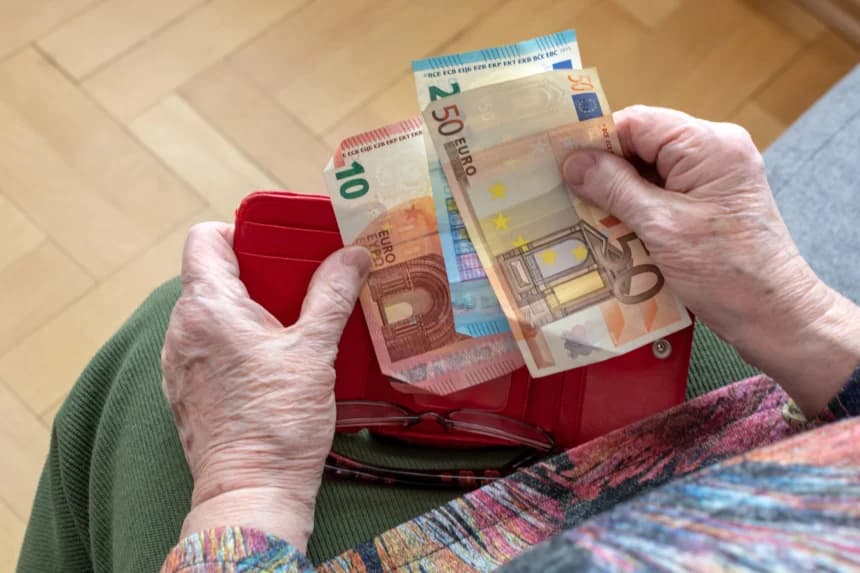
Separately — pensioners, and this is the most worrying in these data. In July, five people over 80 years old went bankrupt, the highest number since July 2019. Analysts explain this by the vulnerability of older people: fraud, aggressive credit advertising, and relatives asking to become guarantors for loans.
Where most bankruptcies happen
Eastern Slovakia leads by a large margin. In July, the most bankruptcies were recorded in the Košice Region (133), Prešov Region (119), and Banská Bystrica Region (86). The fewest were in the Trenčín Region, only 41 cases, writes RTVS. The east traditionally has lower salaries and a higher share of people with problematic loans.
Two bankruptcy paths — property or schedule
In Slovakia, a debtor can choose one of two procedures.
Konkurz (liquidation) — selling the debtor's property to pay off debts. The absolute majority choose this: 603 out of 612 cases in July.
Splátkový kalendár (installment schedule) — debt restructuring through a payment schedule, where property is kept and debt is paid in parts. Only 9 people chose this path.
Why the first option dominates is simple: people who reach bankruptcy usually no longer have property or stable income from which they could pay according to a schedule.
Record of the year, but less than last year
Despite the July 2026 anti-record, the absolute number of bankruptcies is decreasing. In June 2026, there were 44% fewer than in June 2025, and in the first quarter the drop was almost 13%, notes Teraz.sk. The reason is simple: 2025 was an abnormally high year for bankruptcies, so current numbers are returning to a more usual level.
What this means for you
If you find yourself in a debt trap in Slovakia, remember: bankruptcy here works as a legal tool for a fresh start, not as a sentence. A few practical points:
You cannot ignore letters from executors (exekútor) and banks — silence makes the debt grow with interest and fines.
New loans to pay off old ones — a direct path to osobný bankrot (personal bankruptcy): this spiral most often ends in bankruptcy.
A guarantor is responsible for someone else's loan with their own property, even if the borrower is a close person. Do not agree without calculating the consequences.
If debts are already unmanageable, contact a lawyer or a free debt consultation before the case goes to enforcement proceedings — there will be more options.
Slovak law allows after successful completion of the procedure to start with a clean slate. However, it is much cheaper not to get to that point at all.