

“It is impossible to ignore the sad fact: every year in which segregation still continues, every group of Roma children affected by this adverse treatment loses a chance for their future. It is difficult, if not impossible, to fix.” This is what the Advocate General of the Court of the European Union, Tamara Ćapeta, wrote in her opinion.
This concerns a case in which Slovakia became the first EU country against which the European Commission filed a lawsuit specifically because of segregation of Roma children in the education system. If the court finds Slovakia guilty, the country faces a one-time fine and periodic payments until the violations are eliminated. For a country where the education system is already regularly involved in scandals, this will hit both its reputation and taxpayers’ wallets.
What exactly Slovakia is accused of
The European Commission accuses the country of systematic violation of the EU directive on racial equality. Several forms of discrimination have been recorded, and all of them concern the regular school system attended also by children of Ukrainians.
Unlawful placement in special schools. Roma children are disproportionately sent to institutions for students with mild intellectual disabilities, although there are no medical grounds for this.
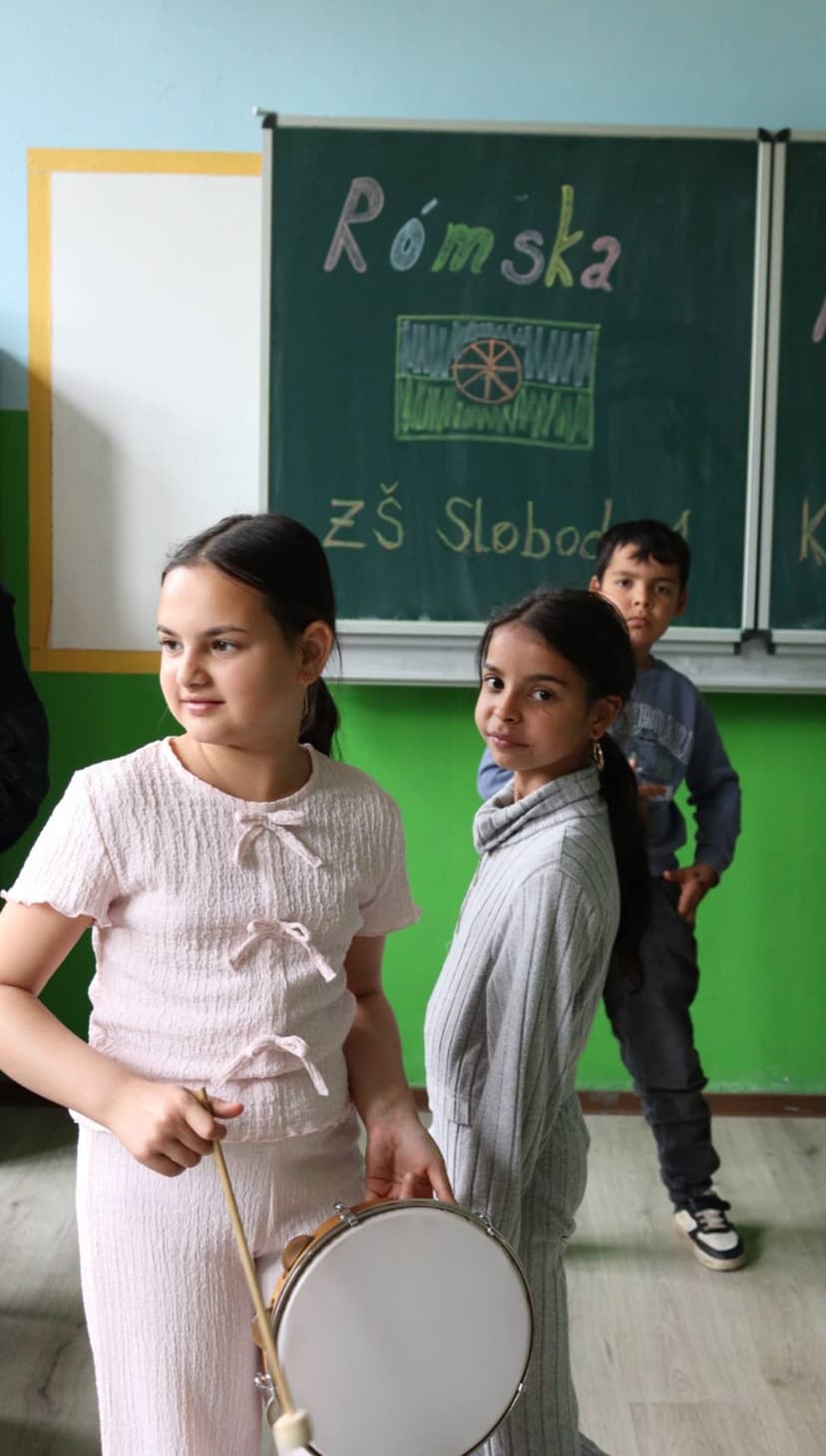
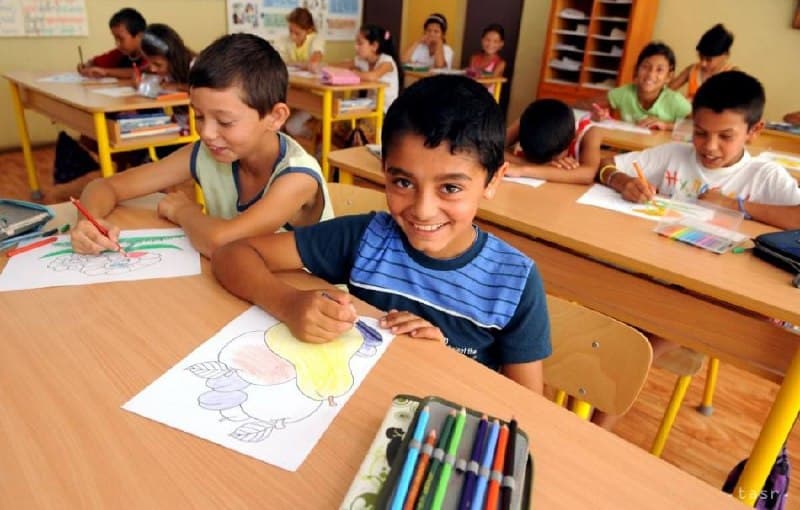
Separate “Roma” classes. In regular schools, Roma children are taught separately from other students.
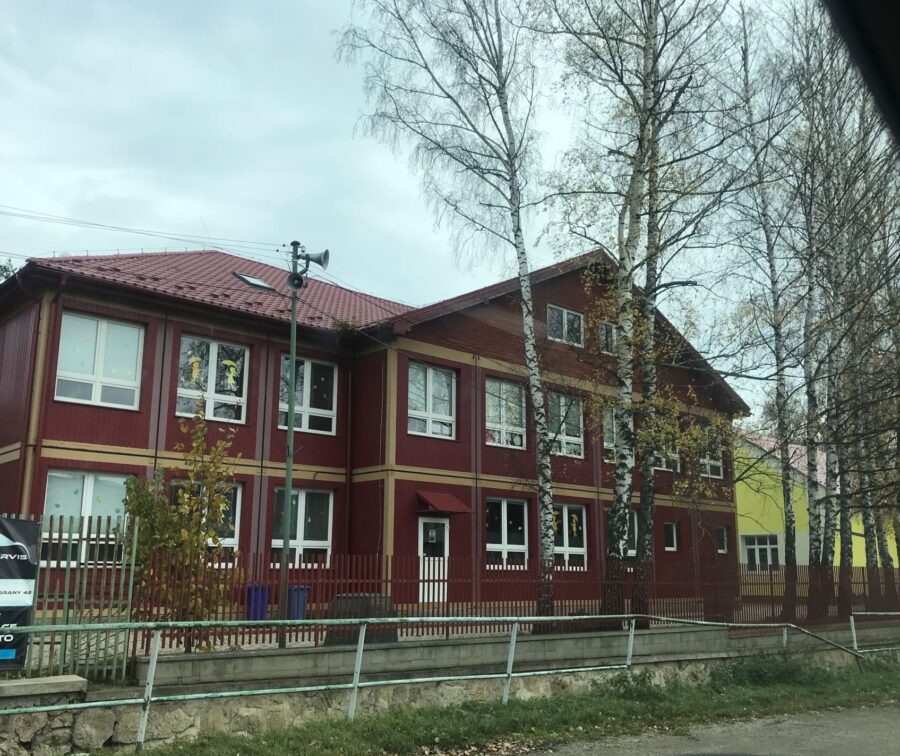
Spatial separation. Education in separate buildings, on separate floors, and in some places—even separation in school cafeterias.
The scale of the problem is evidenced by data from the EU Agency for Fundamental Rights (FRA): 65% of Roma children aged 6 to 15 attend schools where all or most students are Roma. This is the highest rate in the EU, and in recent years it has not decreased but increased by 5 percentage points compared to 2016.
Ten years of proceedings
The story has been going on for more than a decade. The European Commission started proceedings back in April 2015. In October 2019, Slovakia received a so-called reasoned opinion—a formal warning demanding correction of the situation.
Over those years, Bratislava carried out a number of legislative reforms, adopted strategies and action plans to involve Roma in education. But based on monitoring results on the ground, the Commission concluded that the reforms are insufficient, and in April 2023 referred the case to the EU Court.
In August 2025, the Advocate General of the court, Tamara Ćapeta, published her opinion. She confirmed that Slovakia systematically and persistently violates the directive and formulated a key legal principle: the state has an obligation to achieve a result, not just to “act.” Referring to adopted strategies and reforms that changed nothing in practice will not work. The Advocate General’s opinion is not legally binding for the court, but judges usually take it into account—human rights defenders already call it a strong signal for Bratislava.
Bratislava’s reaction: from objections to a rejected resolution
The official position of Slovak authorities for years has been that there is no centralized segregation policy: schools supposedly make enrollment decisions independently, based on internal circumstances—such as the child’s language skills or level of socialization.
In May 2026, things got even worse: the Slovak parliament rejected a resolution to eliminate segregation in schools. In fact, deputies refused even to politically condemn a practice that the EU Court considers a violation of EU law. Amnesty International called this a “green light for continuing segregation” and criticized the government for lack of results.
How it will end
Currently, the case is before the EU Court, and there is no final decision yet. There are two scenarios. If the court finds Slovakia guilty, the country will be required to eliminate the violations, and for delays—pay a one-time fine and periodic payments that could reach millions of euros. At the same time, this creates risks for access to European funds, on which a significant part of education financing depends.
If Slovakia manages to show real progress before the verdict, there may be no fines—but it will be judged against the backdrop of the Advocate General’s opinion and the parliamentary vote, which rather worsened its position.
For those living in Slovakia and having school-age children, this case is important beyond the Roma issue: the EU Court’s decision may lead to a large-scale reorganization of the school network and enrollment rules affecting all institutions in the country. We will follow the development of the case.